
This research explores how emotions can be integrated into Human-Machine Interfaces (HMI) to create more engaging, intuitive, and meaningful interactions between humans and technology. The study investigates emotional design principles, emotion recognition technologies, and their impact on user experience and performance.

Most modern interfaces prioritize efficiency and functionality but neglect emotional engagement, leading to higher user frustration and lower satisfaction.
Discover more

Interfaces that fail to acknowledge user emotions often struggle to maintain attention, immersion, and long-term engagement.
Discover moreAccurately detecting and interpreting human emotions is difficult because emotions vary across individuals, cultures, and contexts.
Most digital interfaces communicate information but rarely respond to users’ emotional states through visual, auditory, or tactile feedback.
Collecting emotional data raises important issues related to privacy, consent, and responsible data usage.
Emotional responses are strongly influenced by context, environment, and user background, making universal emotional interfaces challenging to design.




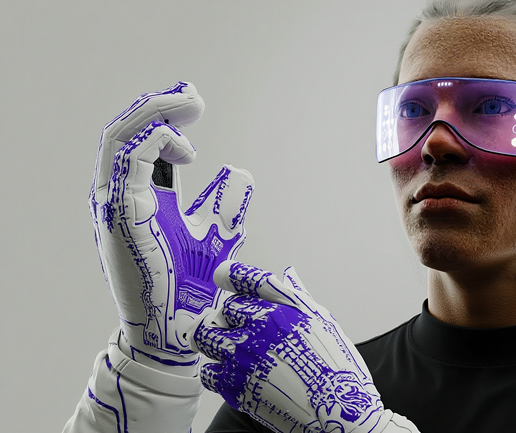


Systems capable of detecting emotional cues through technologies such as facial analysis, physiological signals, or voice recognition.


Designing interfaces that communicate and evoke emotions through sensory feedback.

Interfaces adapt their behavior according to the user’s emotional state and environment.
Our process isn’t complicated—it’s just designed to work. Here's how we turn your vision into reality.
See our workAnalysis of existing research on emotional design, affective computing, and haptic feedback in human-machine interaction.
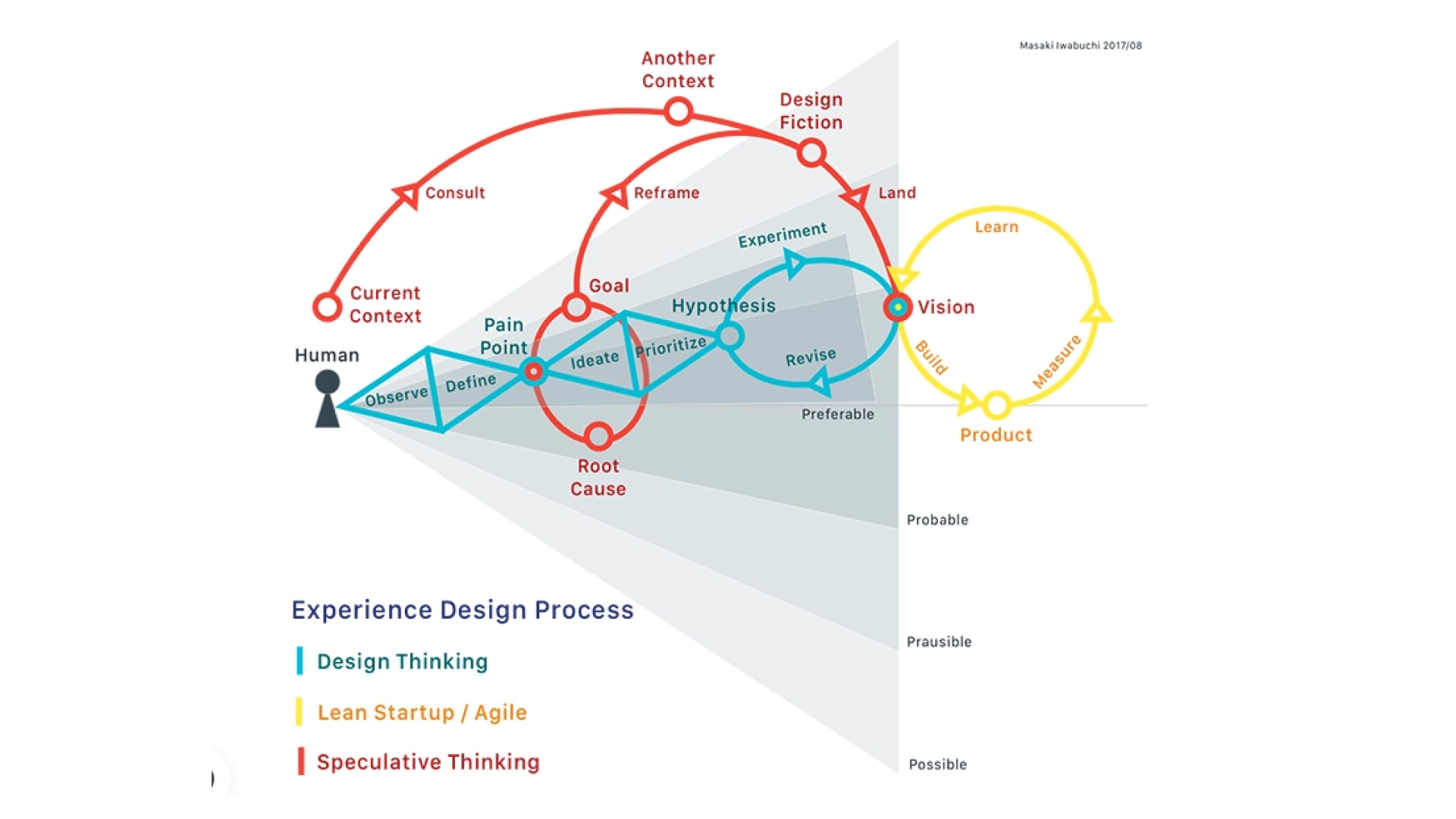
Surveys, interviews, and user testing was conducted to understand emotional responses to different HMI designs.
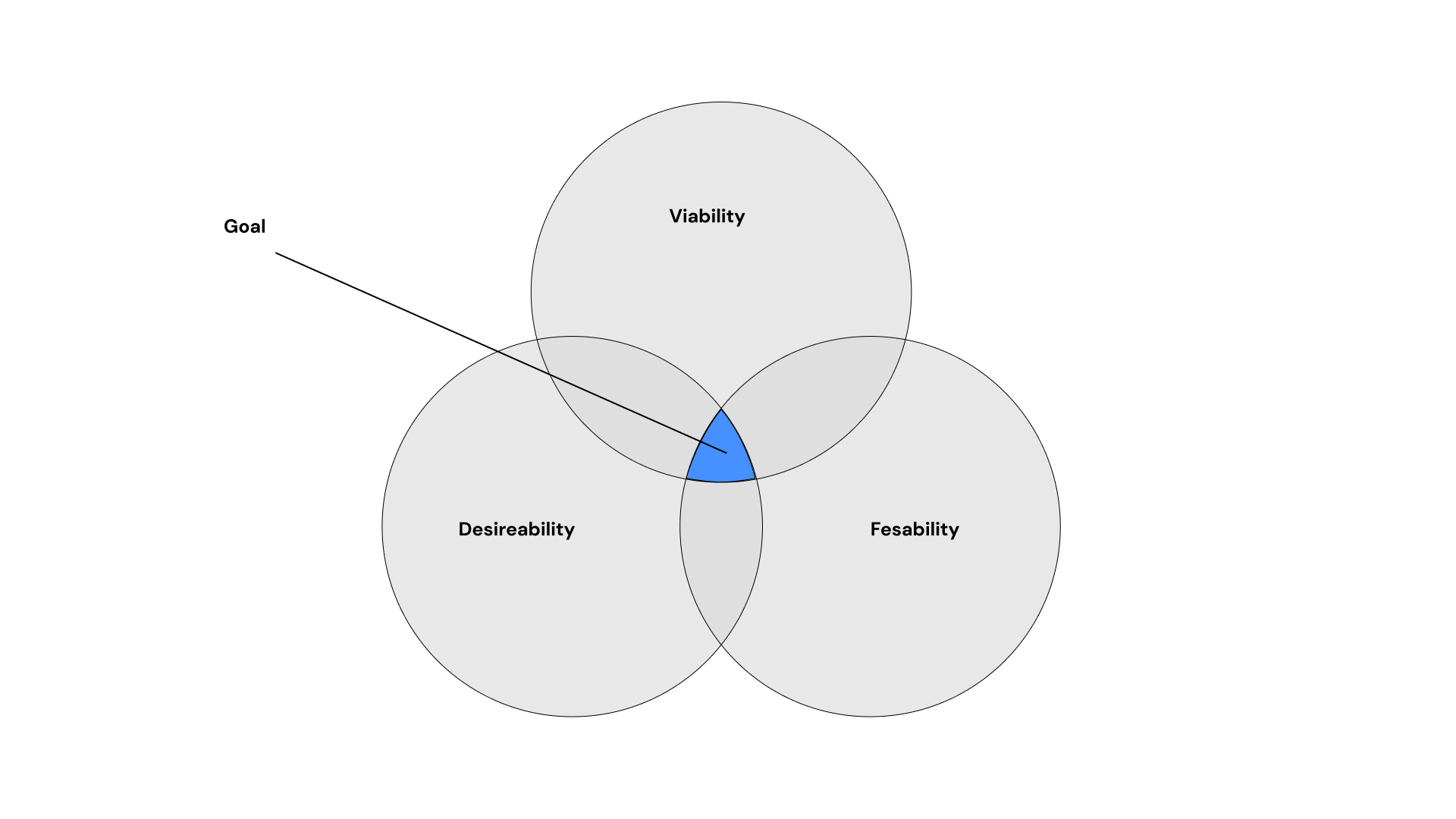
Different emotional design approaches and technologies were explored to evaluate their impact on engagement,.
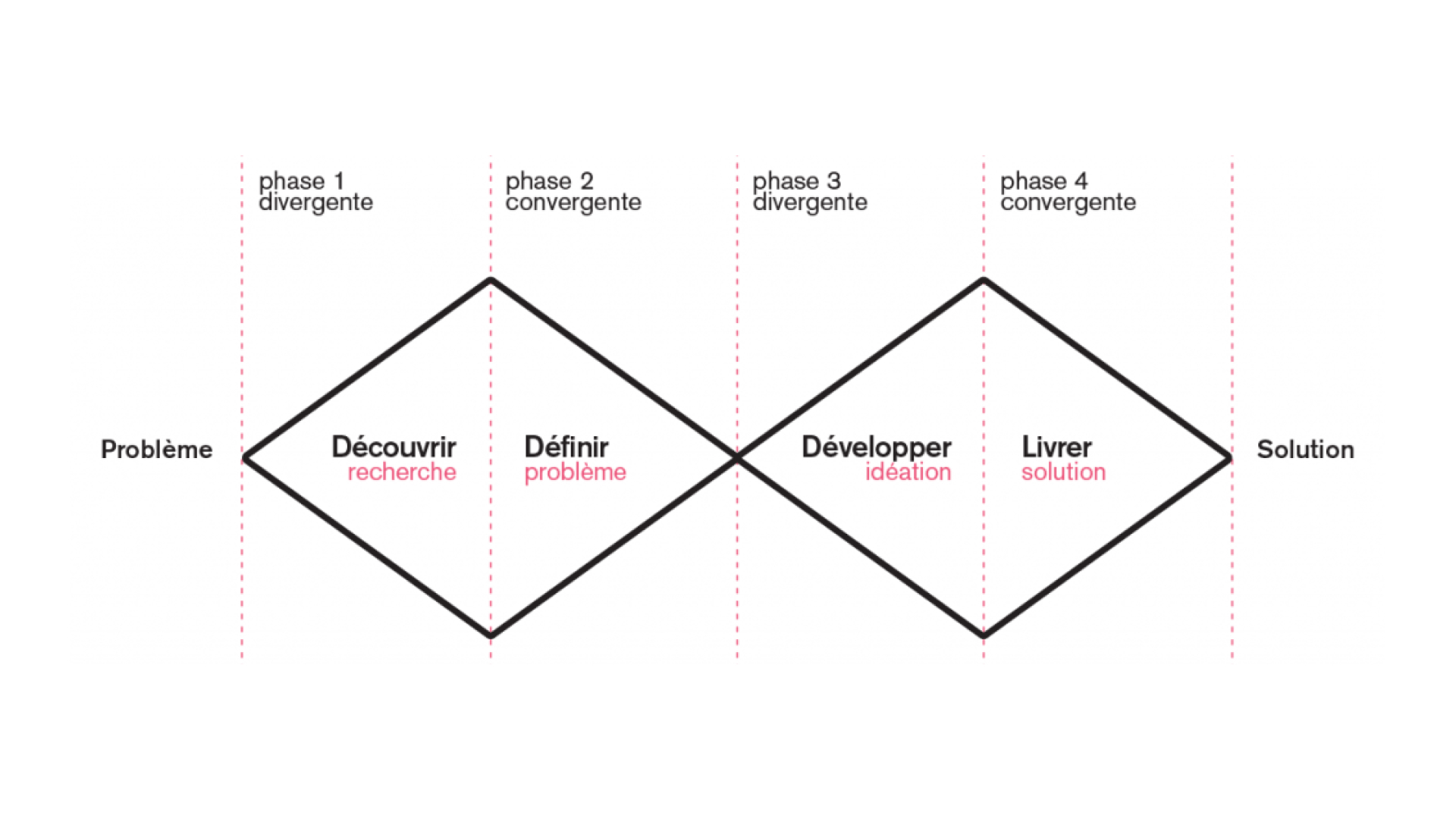
See how we’ve helped brands grow and succeed.
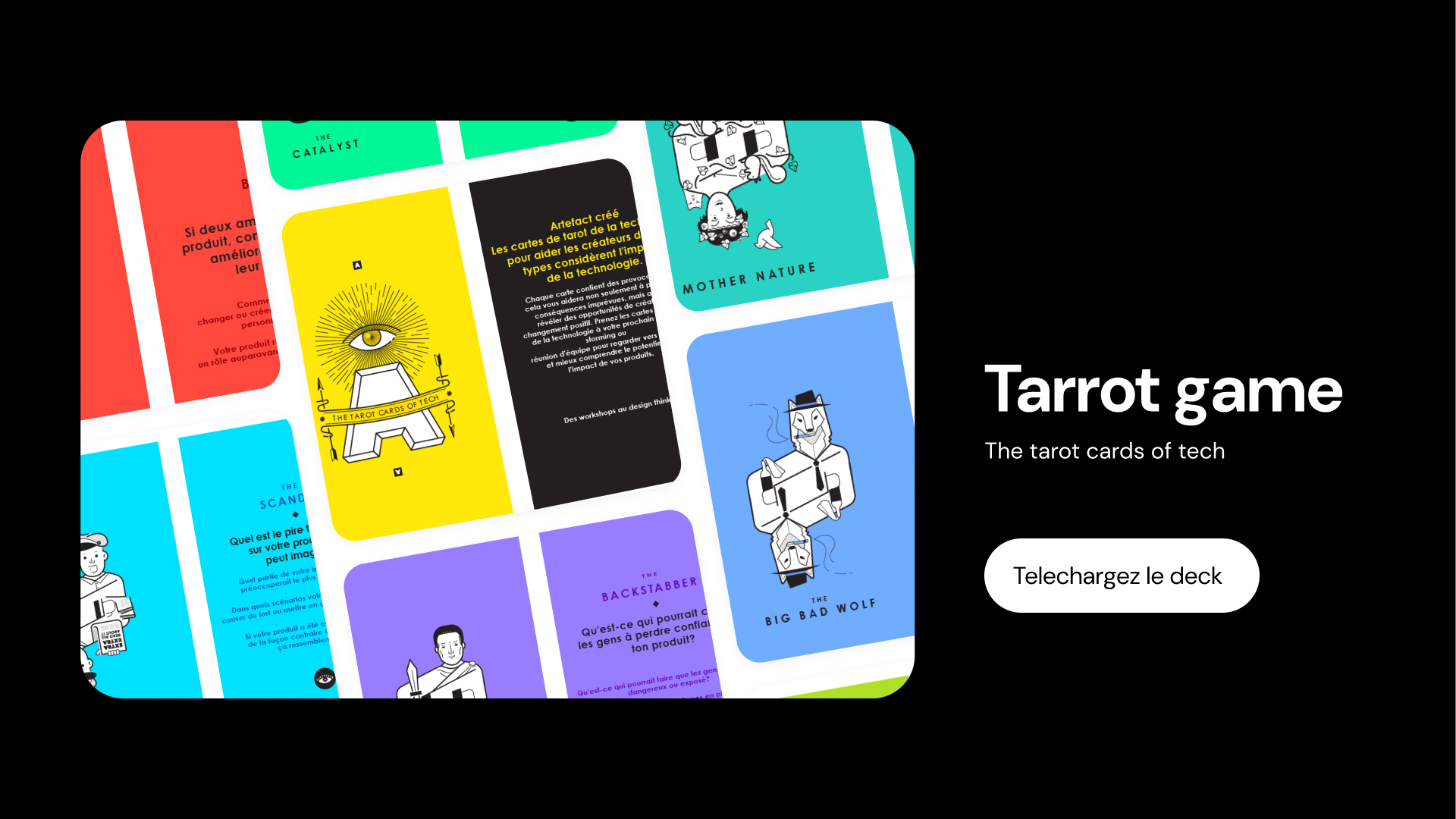

In the creative process we created a tarrot game in which we created possible characters based on our real users. We exagerated they profiles and simulated scenarios with them to see what could we offer to solve their problems.
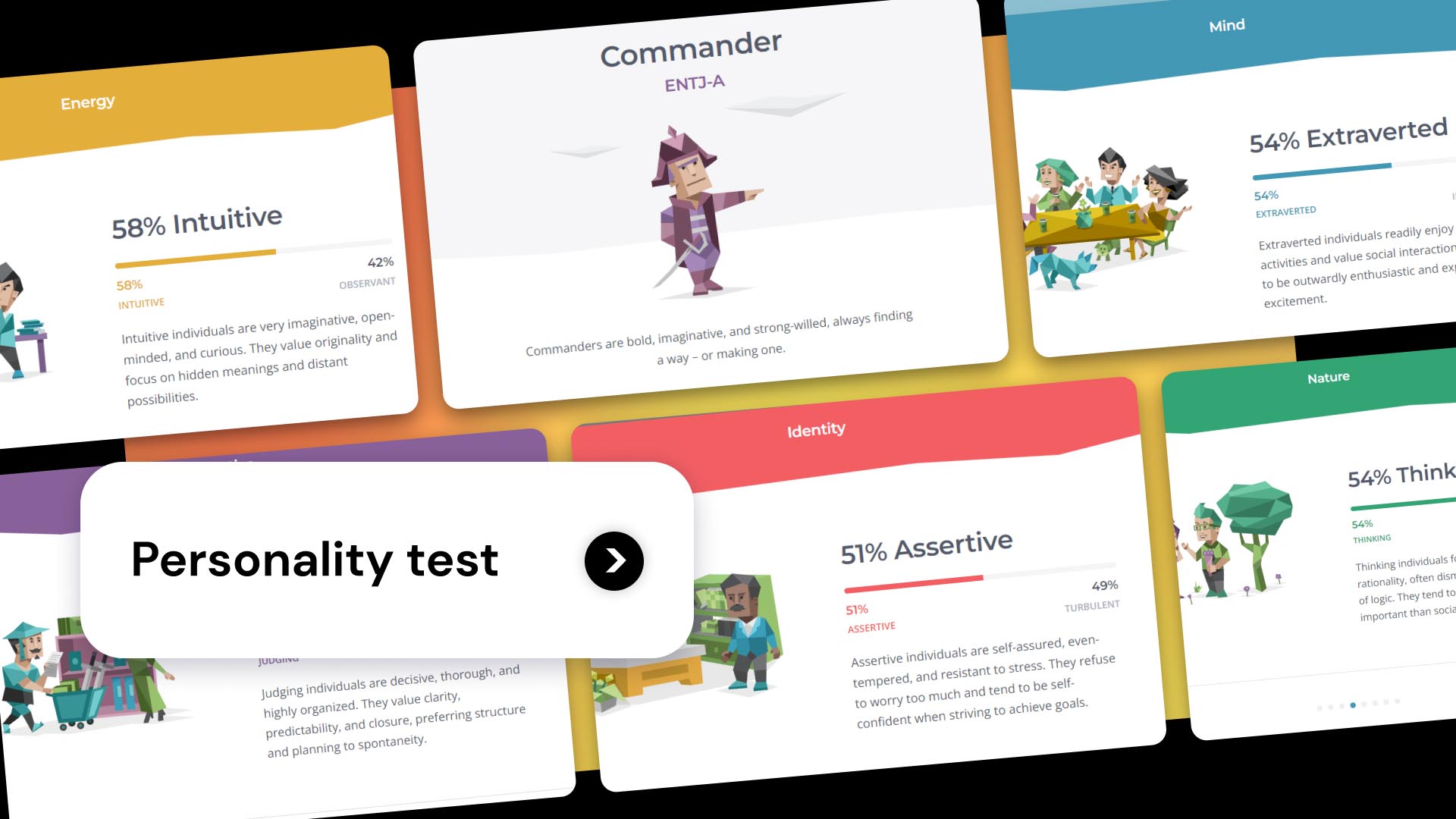
We refered to personality tests that allowed us to understand from an experience point of view the characters of our users. It gave us insites on what irritates them and what gives them butterflies on the inside. And that allowed us to tailor experiences that were not only accessible but also pleasant and addictif.
A mix of creators, developers, and marketers - working together to build digital experiences that drive real results.
Big ideas, clear plans, and thinking solutions.
Clean code, reliable builds, and scalable solutions.
Smart campaigns, results, and ideas that connect.


